

Shaped by Stories, Built with Nature: The Architecture of Inkaterra in Peru
Architecture can be more than just the art of building - it can tell stories, preserve traditions and create a connection to its surroundings. Inkaterra Hotels in Peru have made this approach part of their philosophy, combining sustainable design with regional construction methods and materials to reflect the cultural identity of their locations.
The Vision behind the Design
The designs were created by Denise Guislain, co-founder of the hotel group, former director of quality and design, and wife of founder José Koechlin von Stein. Driven by their shared vision of sustainable ecotourism in Peru, Inkaterra's first hotel was built in the Amazon over 50 years ago. Until her passing in 2024, Guislain continued to shape the design of Inkaterra hotels with her eye, knowledge, and empathy. Her award-winning concepts combined historical and natural elements to create modern hotel architecture that is both aesthetically and ecologically compelling.
Denise Guislain continues to espouse an architectural philosophy that reconciles tradition and modernity. Her designs are based on a deep appreciation of local building methods, traditional craftsmanship, and natural materials. Every detail, from the layout of the rooms to the choice of materials, is carefully coordinated to harmonize with the environment while providing travelers with the highest level of comfort. By using regional raw materials such as wood, stone, and clay, she has minimized the environmental footprint of the hotels while creating authentic retreats. Her goal: architecture that is not only sustainable but also tells stories - about the people, culture, and nature of Peru.
The Architecture of Inkaterra Hotels
Each of Inkaterra's seven hotels embodies its own architectural style, derived from the characteristics of its surroundings. Peru is a diverse country, characterized by great geographical differences and a rich cultural past. Guislain was inspired by local construction methods and traditional building materials when designing each hotel, giving each a unique character. We present four of the hotels as examples.
Inkaterra Reserva Amazónica: Ecological Architecture in the Heart of the Rainforest
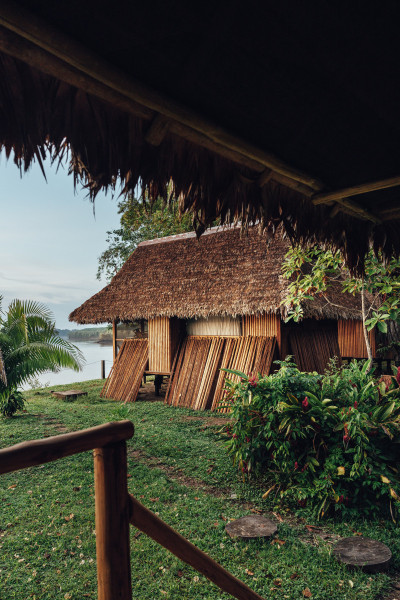
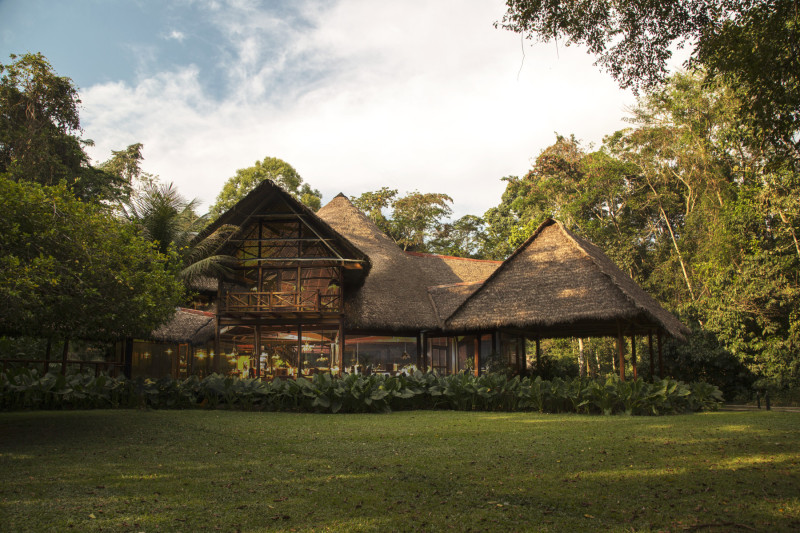
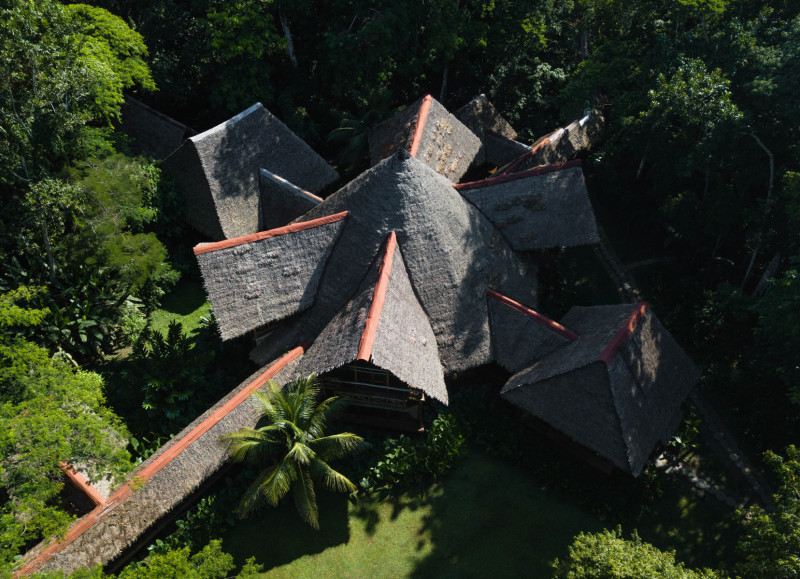
In the Peruvian Amazon, on the banks of the Río Madre de Dios, lies Inkaterra Reserva Amazónica, a luxurious eco-lodge that blends seamlessly into its surroundings. The 35 thatched or palm-thatched wooden cabins pay homage to the traditional buildings of the Ese'Eja indigenous community and the region's architectural identity. This also fits perfectly with the Reserva Amazónica's central design principle: a deep connection with nature.
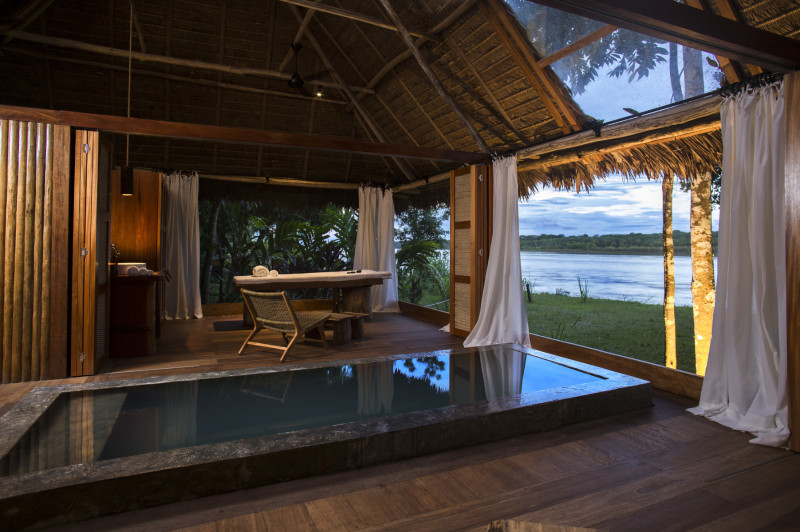
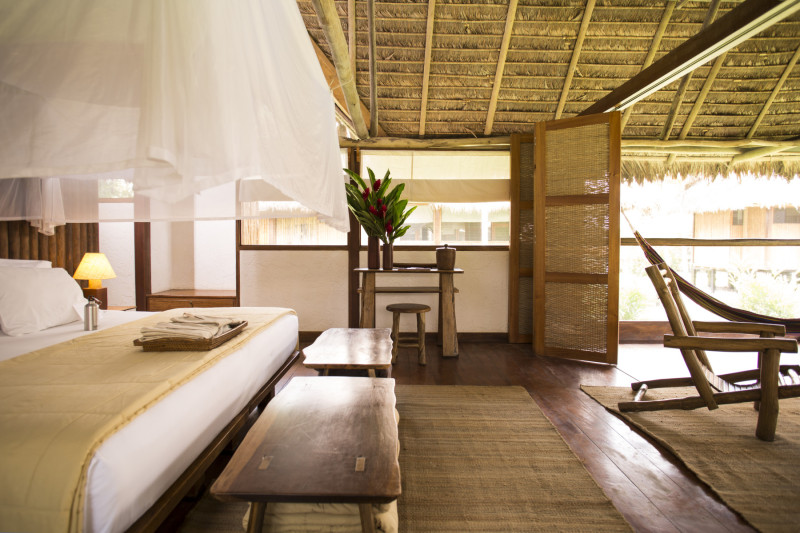
High roofs and open structures allow for natural ventilation in the tropical climate, ensuring comfortable indoor temperatures. Instead of walls and hard boundaries to the outside world, large verandas open up views of the rainforest and river. The diverse flora and fauna, including more than 540 species of birds, are never far away, inviting travelers to linger and enjoy nature.
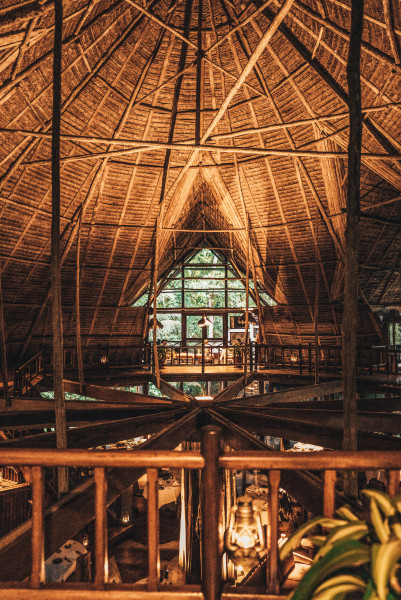
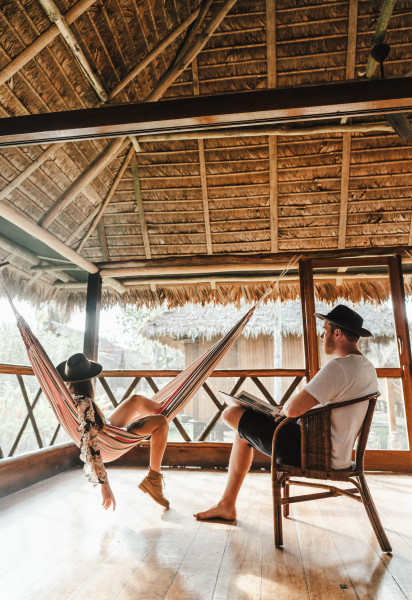
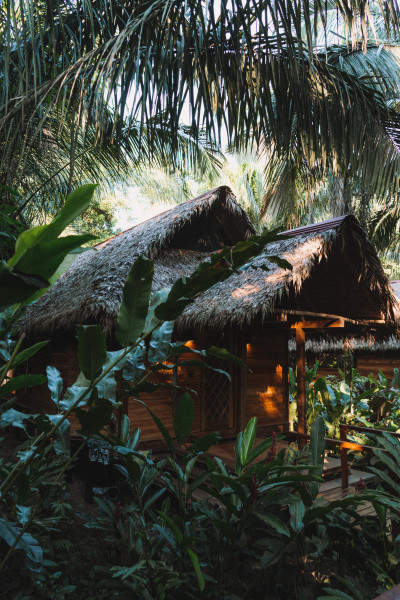
Despite its simple, natural construction, the lodge offers all the comforts of luxurious accommodation: handcrafted furniture gives each cabaña a unique charm, and natural cosmetics and decorations enhance the traveler experience. It has limited electricity and no internet, ensuring an unspoiled wilderness experience. There is, however, hot water and excellent service from the resort's experienced guides.
The architecture of Inkaterra Reserva Amazónica demonstrates how sustainable design can restore and strengthen the connection between people and nature. For most people, a stay is not something that is easily forgotten.
Inkaterra Machu Picchu Pueblo Hotel: Andean Architecture in the Cloud Forest
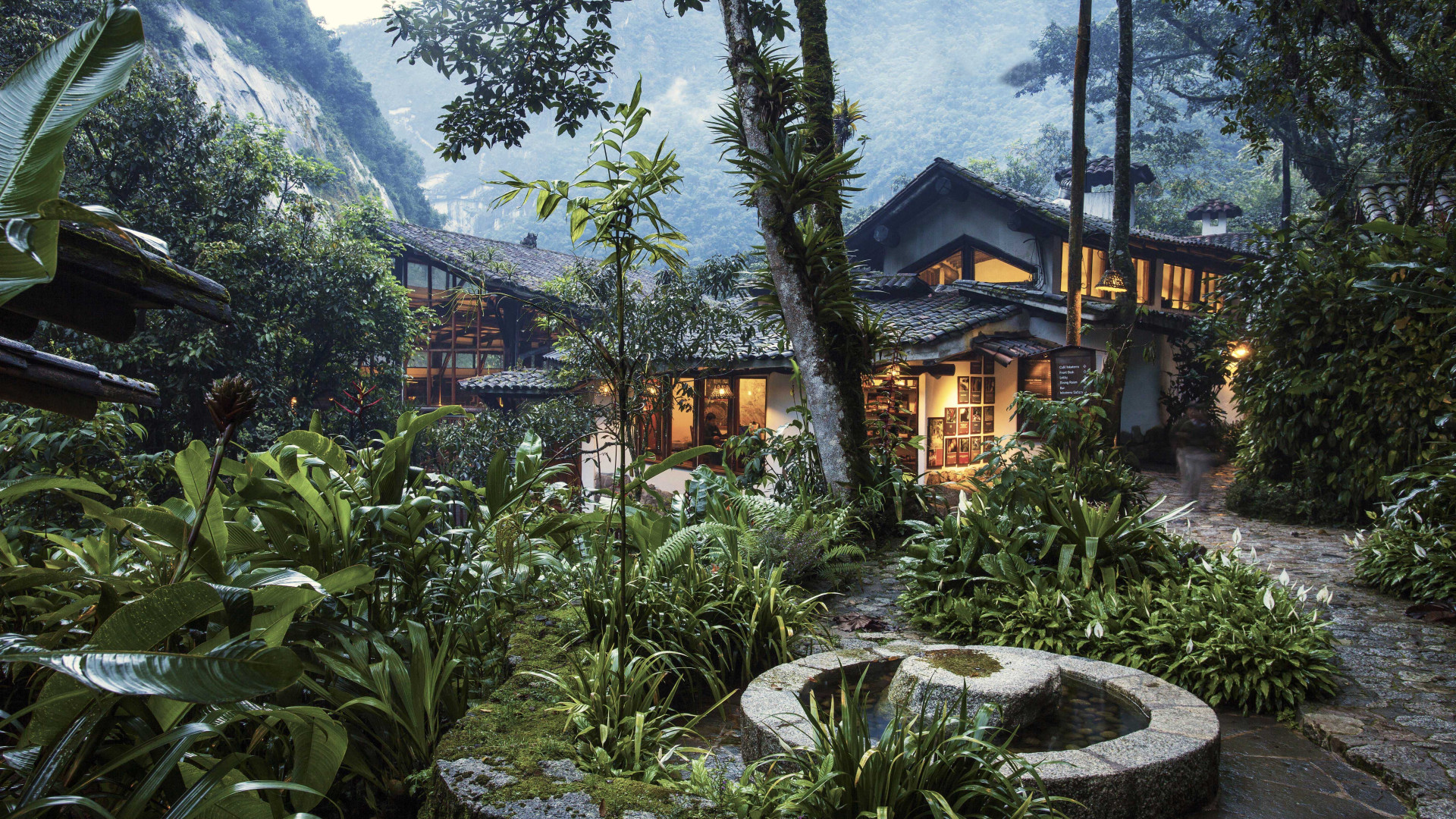
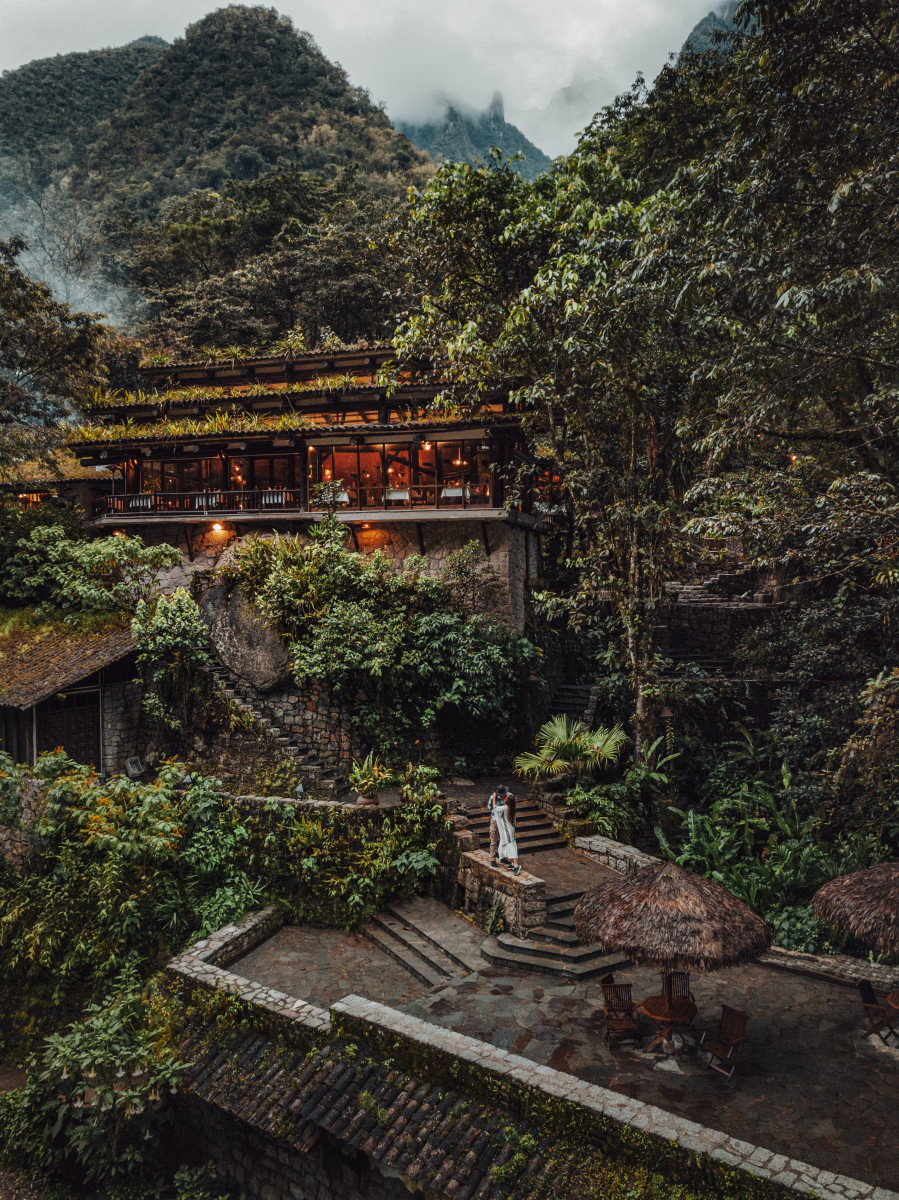
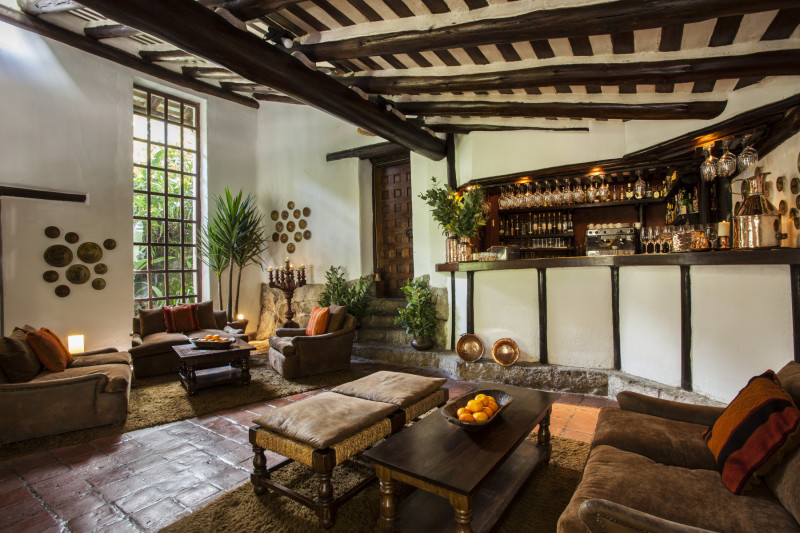
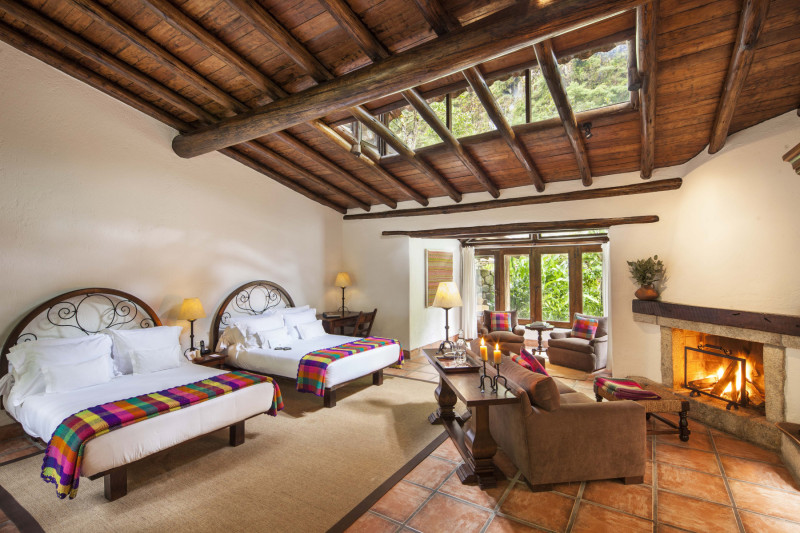
Tucked away in the mystical cloud forest near the Inca city of Machu Picchu, Inkaterra Machu Picchu Pueblo Hotel is an Andean village that blends into the surrounding landscape. The 81 white-painted adobe casitas are terraced into the hillside. Enchanting stone paths wind past rushing waterfalls and lush vegetation, connecting the buildings. The architecture also follows traditional building methods: natural stone, adobe, stucco, and local wood create an authentic atmosphere, while handcrafted furniture and warm colors create a cozy ambiance.
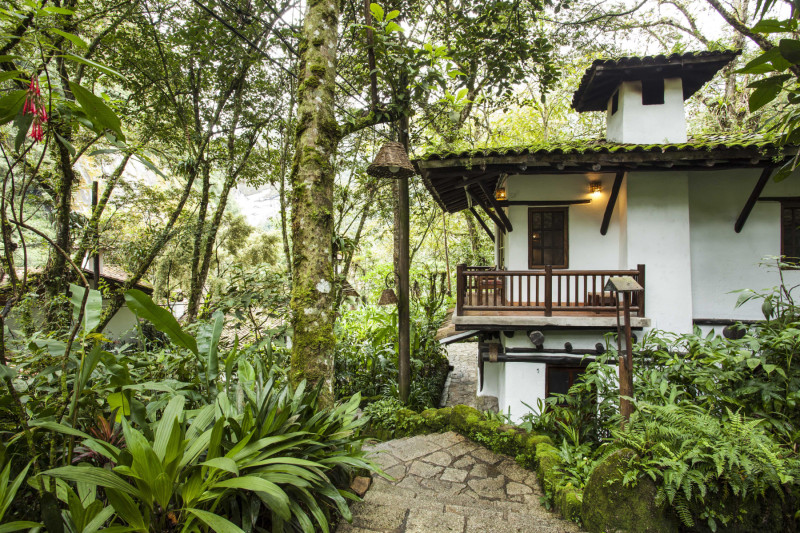
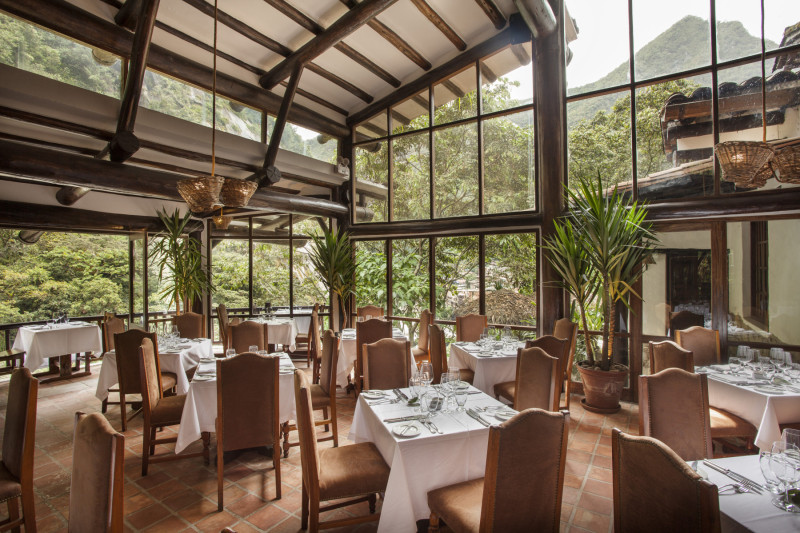
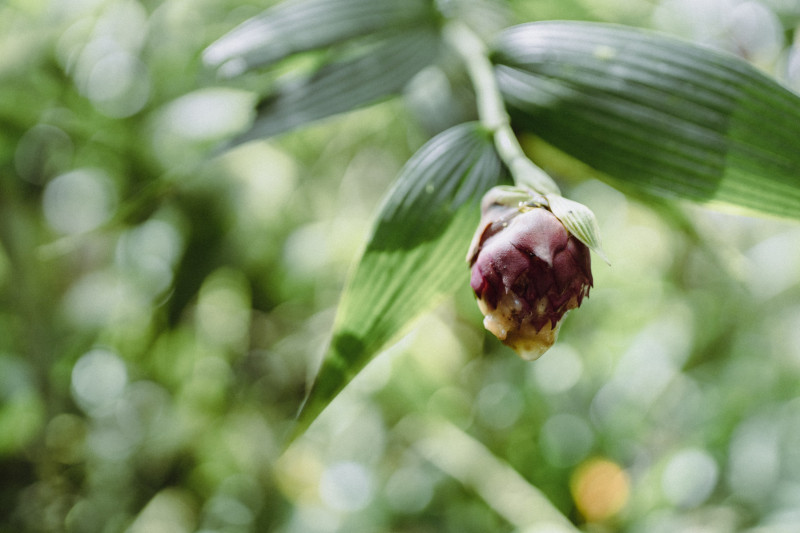
The hotel's garden concept is particularly impressive. 372 species of orchids - including the Maxillaria deniseae, named after Denise Guislain - thrive on the extensive grounds surrounding the hotel, as well as an extraordinary biodiversity of 311 bird species and more than 100 species of butterflies. It began with the reforestation of the original cloud forest on land previously used for agriculture. Today, the forest is once again a place to hike and explore. With the casitas nestled in it, large windows, and organic pathways, the design of Inkaterra Machu Picchu Pueblo creates a unique retreat in the midst of nature.
Inkaterra La Casona: Colonial Elegance in Cusco
In the heart of Cusco, on the historic Plaza de Las Nazarenas, the Inkaterra La Casona tells the story of Peru in a very special way. The restored 16th-century mansion was once home to the first Spanish conquistadors and their descendants. The conqueror Diego de Almagro and the liberator Simón Bolívar were among the historic guests of the house. Inkaterra has restored this national monument with great care, preserving the patina of time while integrating modern luxury.
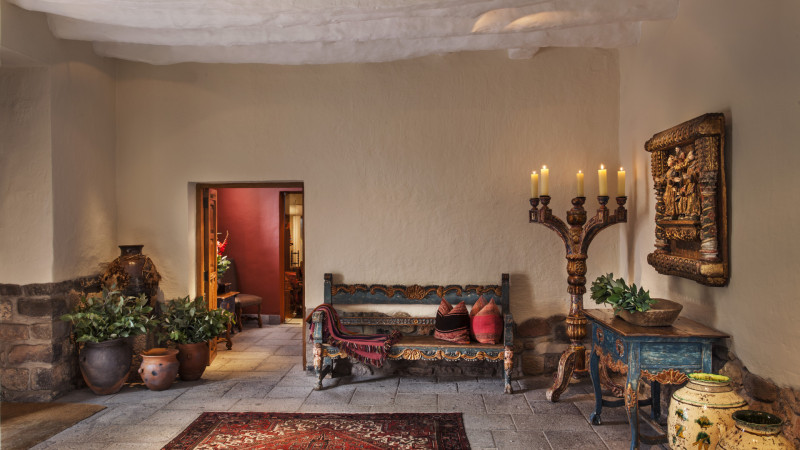
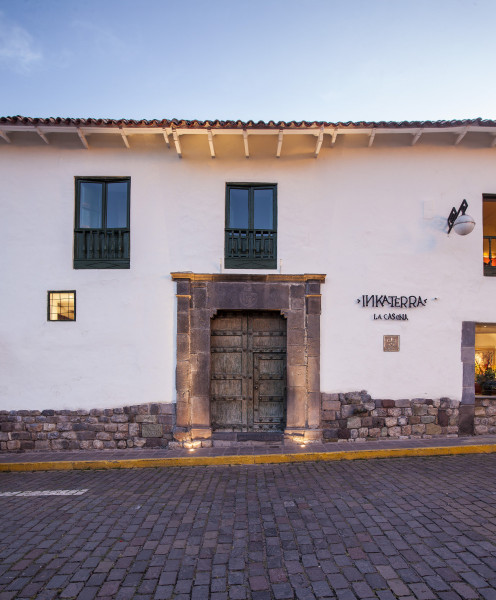
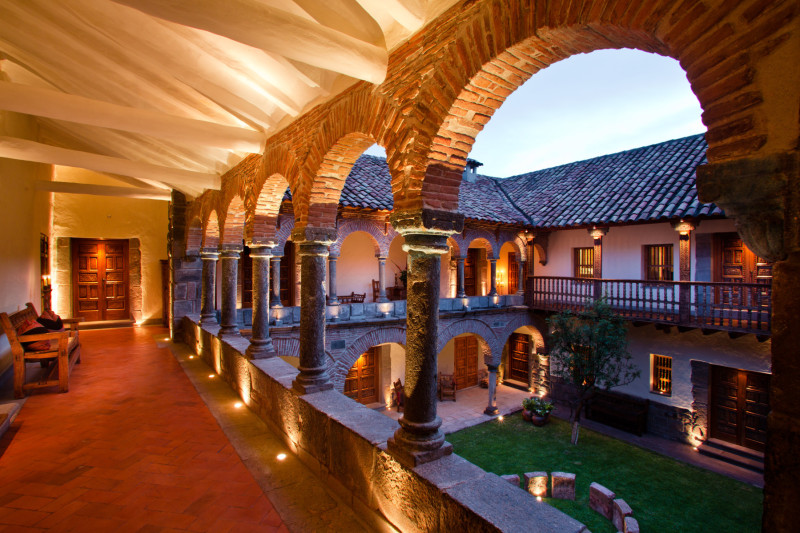
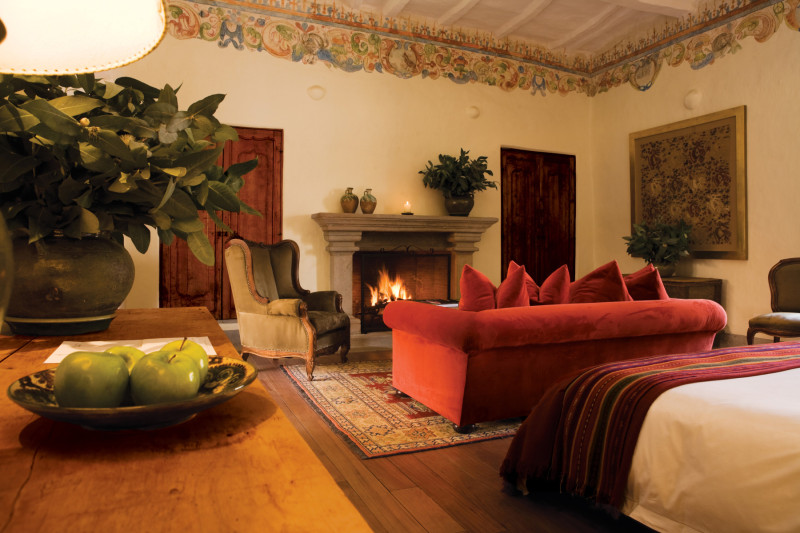
The boutique hotel's 11 suites are arranged around a courtyard and feature fireplaces, heated floors, and spacious soaking tubs. Historic elements such as stone arches, friezes and balconies combine with colonial furniture, pre-Columbian textiles, and original murals to create a unique experience. Five years of restoration have gone into creating an environment where tradition and modernity meet. As the city's first Relais & Châteaux hotel, Inkaterra La Casona sets the standard for exclusive hospitality in this vibrant and fascinating city.
Inkaterra Hacienda Urubamba: Andean Tradition Surrounded by Nature
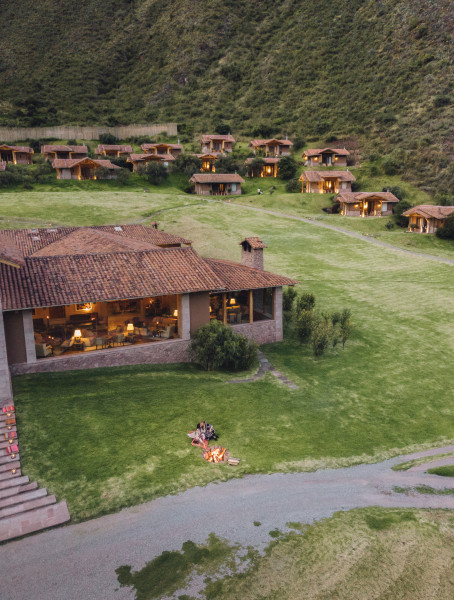
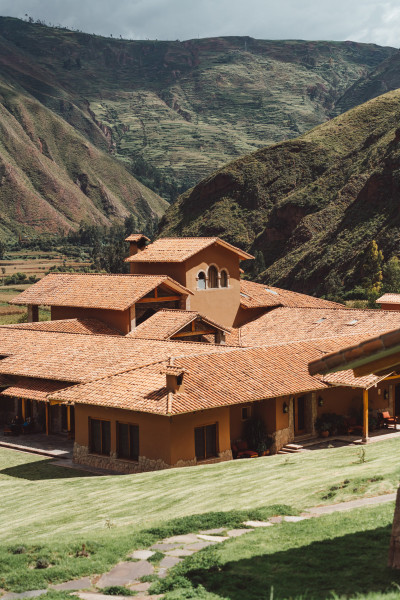
Nestled in the Sacred Valley of the Incas, between Cusco and Machu Picchu, Inkaterra Hacienda Urubamba combines the elegance of colonial architecture with the awe-inspiring scenery of the Peruvian Andes. The modern 5-star hotel is set on 100 acres surrounded by mountains and open fields.
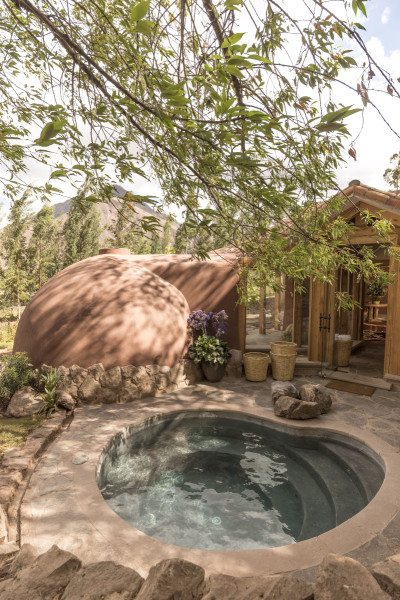
Like the traditional haciendas of the region, Hacienda Urubamba features local materials, expansive windows, and courtyard structures that maximize natural light. All rooms, both in the main house and in the detached luxury casitas, offer panoramic views of the valley and invite travelers to enjoy the vastness of the surroundings. The interior design reflects the rich cultural history of the Andes: colonial furniture, handcrafted woodwork, and original Inca masks.
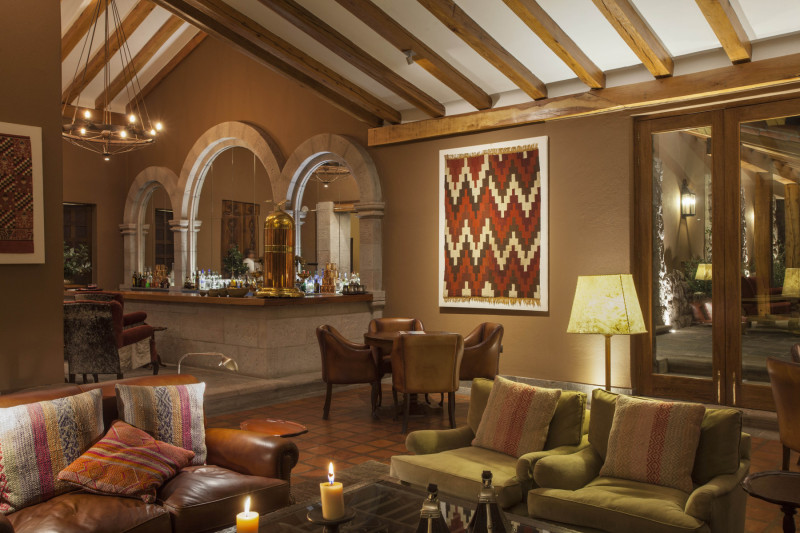
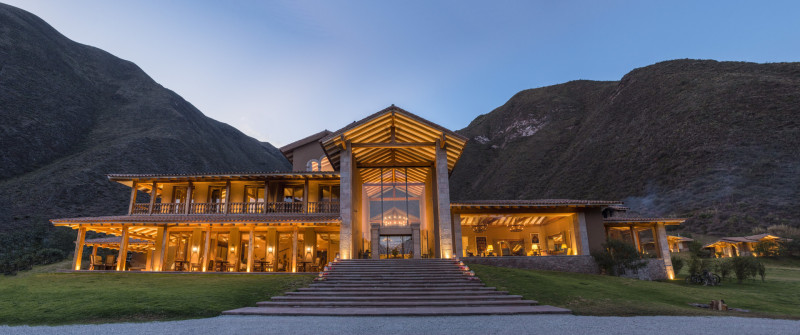
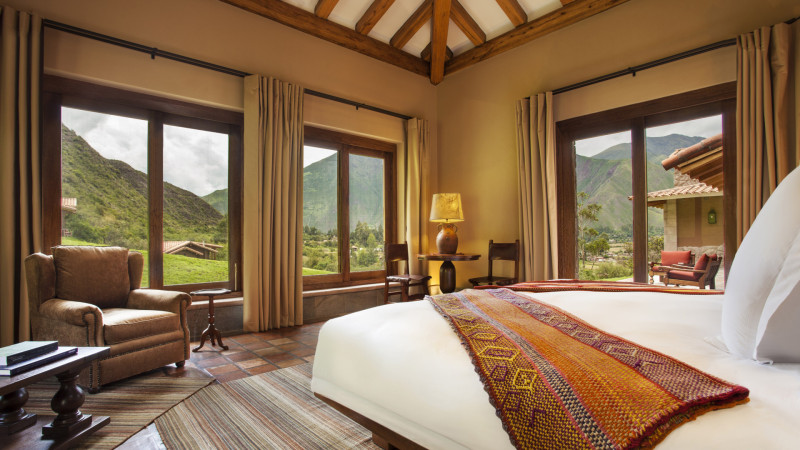
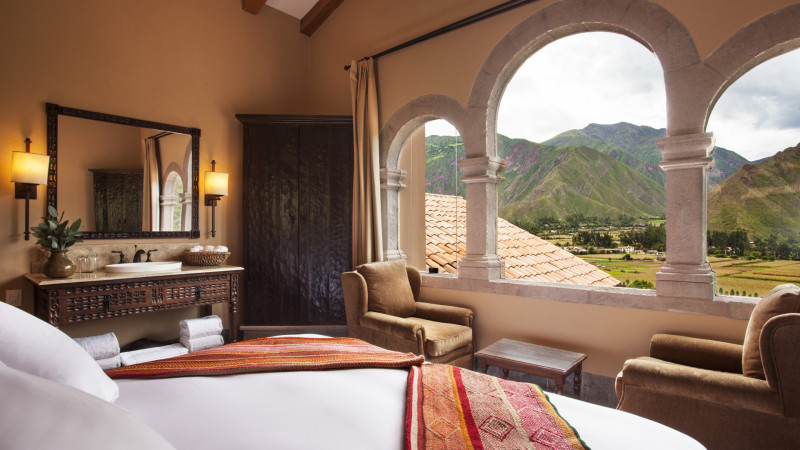
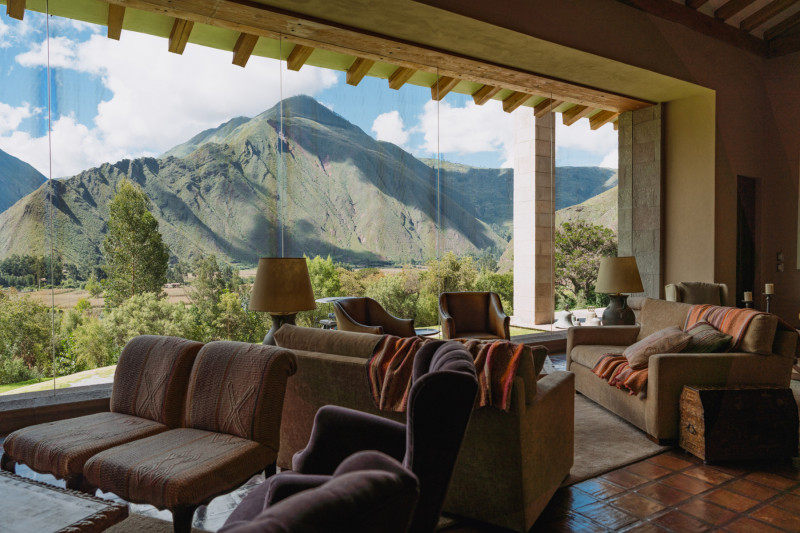
The Hacienda is a pioneer in sustainable tourism in the region. The restaurant, for example, uses an authentic Earth-to-Table concept based on a 10-acre organic plantation. Travelers can enjoy fresh, traditional Peruvian crops such as quinoa, Urubamba giant corn, and potatoes, some of which are harvested using traditional tools.
Whether used as a relaxing retreat at the end of a Peru trip or as a base for exploring the Sacred Valley, Inkaterra Hacienda Urubamba offers an intimate glimpse into the history, traditions, and biodiversity of the Peruvian Sierra – while preserving the spirit of Andean culture in a luxurious, authentic setting.
Sustainable Architecture as a Living Concept
Inkaterra Hotels set the standard for sustainable, context-sensitive architecture that blends tradition and modernity. Each hotel is an example of how construction, tourism, cultural heritage, and conservation can be harmoniously integrated.
For more information, high-resolution images, and press contacts, please contact Green Pearls® via press@greenpearls.com